

True healing is rarely a straight line, and it is almost never achieved through the lens of a single medical practitioner. When you are dealing with chronic physical discomfort, unexplained neurological symptoms, persistent fatigue, or complex metabolic roadblocks, navigating the modern medical system can feel completely overwhelming. The human body is an intricately interconnected web of systems; a dysfunction in your gut can manifest as brain fog, while a structural misalignment in your lower spine can trigger radiating nerve pain down your legs. Unfortunately, our current healthcare landscape is highly fragmented, often forcing patients to visit isolated doctors who evaluate symptoms through a narrow, siloed perspective rather than treating the whole person.
Many individuals spend months or even years bouncing from one clinic to another, receiving superficial treatments that merely mask their symptoms rather than addressing the root causes of their illness. This cycle of fragmented care can leave you feeling frustrated, physically exhausted, and financially drained. To break free from this pattern and achieve lasting vitality, you must shift your approach from being a passive recipient of medicine to becoming the active coordinator of a highly specialized, multidisciplinary healing team. This comprehensive guide provides an in-depth, step-by-step roadmap to help you rigorously vet, choose, and coordinate the right medical practitioners, empowering you to build a customized healthcare ecosystem designed to truly heal your body.
Moving Beyond Reactive Medicine to Coordinated Care

Embracing a proactive healing philosophy requires you to take complete ownership of your health journey. Before you begin booking appointments with various practitioners, you must take the time to establish a patient care partnership, organize your medical history, and clearly define your long-term vitality goals. When you enter a consultation with a new practitioner, you should treat the meeting as a mutual interview. You are not just seeking a clinical diagnosis; you are looking for an empathetic professional whose communication style, clinical philosophy, and operational framework align seamlessly with your personal values.
In an ideal medical ecosystem, your primary care practitioners and specialists do not operate in isolation. They communicate with one another, share diagnostic data, and collaborate to ensure your therapies do not conflict. When interviewing potential doctors, ask them directly about their willingness to collaborate with alternative or complementary therapists. You want to establish a supportive, communicative environment where your insights are respected, ultimately forging a collaborative patient care partnership that keeps your personal choices at the center of the therapeutic roadmap.
Actionable Tips for Establishing Your Medical Team
-
Maintain a detailed personal health journal: Before your first appointment, document your complete symptom timeline, tracking what variables make the pain better or worse, how your diet influences your energy, and any past treatments you have tried.
-
Organize your formal diagnostic records: Gather physical copies of your recent blood panels, imaging reports, and vaccination histories into a single, highly organized binder so you can present them immediately to any new specialist you consult.
-
Establish clear boundaries for immediate triage care: Learn to differentiate between chronic conditions that require long-term, specialized care and acute, non-life-threatening situations. For minor cuts, sudden sprains, or mild infections, utilize a local walk-in urgent care to receive rapid, efficient attention without disrupting your long-term medical appointments.
Finding Targeted Relief for Musculoskeletal and Structural Pain
If persistent physical discomfort is limiting your mobility, disrupting your sleep, or preventing you from maintaining a consistent fitness routine, your first clinical focus should be on stabilizing your body’s structural framework. The human musculoskeletal system is vulnerable to micro-traumas, repetitive strain injuries, and structural misalignments that can create a cascading chain of dysfunction throughout your entire frame. For instance, a pelvic tilt can cause compensatory muscle spasms in your mid-back and eventual structural degradation in your neck.
To address these structural issues effectively, you must find specialists who look past local pain points and analyze your entire biomechanical alignment. True structural healing involves restoring joint mobility, reducing soft-tissue inflammation, and strengthening the surrounding stabilizer muscles to prevent future injury. This requires a careful blend of diagnostic precision, hands-on physical manipulation, and targeted rehabilitative exercise protocols.
Actionable Tips for Structural Healing Success
-
Prioritize non-invasive biomechanical realignments: Look for practitioners who focus on restoring structural harmony to the spine and peripheral joints without immediate reliance on heavy pharmaceuticals. Utilizing gentle manual adjustments through a certified provider for chiropractic treatment can relieve joint restrictions and alleviate mechanical nerve pressure.
-
Verify advanced diagnostic imaging capabilities: Ensure your selected facility utilizes digital postural scanning, dynamic motion palpation, and targeted X-rays to locate the precise structural origin of your physical imbalances before initiating any physical manipulation.
-
Seek out collaborative, multidisciplinary environments: Focus your search on a dedicated, highly rated pain treatment clinic where chiropractors, physical therapists, and sports medicine physicians work in tandem to create a holistic, unified rehabilitation program.
Navigating Complex Chronic Discomfort and Systemic Relief

While localized structural misalignments can frequently be resolved through physical adjustments, widespread or chronic pain conditions require a fundamentally different therapeutic approach. When discomfort persists for more than three to six months, the central nervous system can become hypersensitized, a phenomenon known as central sensitization. In this state, the brain continues to register intense pain signals long after the initial physical tissue injury has completely healed, requiring sophisticated neurological and lifestyle interventions.
Managing systemic, chronic discomfort demands an expansive care plan that addresses both the physical and psychological dimensions of pain. You must partner with specialized teams who understand how chronic stress, systemic inflammation, poor sleep architecture, and neural pathways interact to amplify pain sensations. The goal of this phase of care is not merely to eradicate the physical sensation of pain, but to restore your daily functional mobility and improve your overall psychological resilience.
Actionable Tips for Managing Chronic Systemic Pain
-
Explore innovative, multi-modal clinical therapies: Look for facilities that integrate conventional medicine with cutting-edge modalities such as cold laser therapy, therapeutic nerve blocks, biofeedback, and specialized targeted acupuncture.
-
Investigate the psychological components of discomfort: Partner with practitioners who incorporate cognitive behavioral therapy or mindfulness-based stress reduction into your care, as retraining the brain’s response to neural danger signals is critical to breaking the chronic pain cycle.
-
Partner with comprehensive support institutions: Seek out specialized providers who deliver comprehensive pain management services tuned to your specific pain history, focusing heavily on non-addictive pharmaceutical management, lifestyle modifications, and customized physical conditioning.
Diagnosing Complex Neurological and Cognitive Symptoms
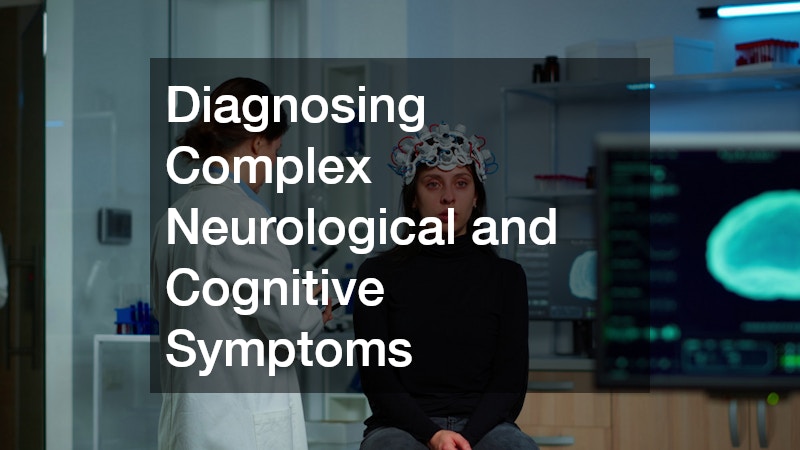
When your health struggles manifest as severe, recurring migraines, unexplained muscle weakness, persistent numbness or tingling in your extremities, or chronic cognitive fatigue, the root cause often resides within the delicate networks of the central or peripheral nervous systems. Because the nervous system acts as the master control center for every electrical signal in your body, neurological disruptions can mimic vascular, metabolic, or musculoskeletal disorders, making accurate diagnostic mapping an absolute necessity.
Navigating neurological concerns requires extreme clinical precision and highly sophisticated diagnostic instrumentation. You cannot afford to guess when it comes to nerve conduction or brain health. You must seek out board-certified brain and nerve specialists who possess the advanced training required to interpret subtle variations in nerve conduction tests, brain wave patterns, and advanced neural resonance imaging.
Actionable Tips for Navigating Neurological Care
-
Prepare for advanced electrodiagnostic evaluations: Be ready to undergo specialized testing protocols, such as electromyography or nerve conduction velocity tests, which measure how quickly and efficiently your electrical impulses travel through your peripheral nerves.
-
Trace the direct relationship between brain and metabolic health: Choose a medical specialist who looks at the deep integration between your neurological health, your sleep patterns, your structural alignment, and your daily nutritional inputs.
-
Consult with a board-certified nerve specialist: Schedule a rigorous clinical evaluation with an experienced local neurologist if you are experiencing persistent cognitive declines, severe unexplained tremors, chronic localized numbness, or untreatable shooting neural pains.
Restoring Cellular Health and Systemic Balance
Frequently, the roadblocks preventing you from achieving vibrant health are not structural or neurological, but chemical and cellular. If you suffer from chronic, unyielding fatigue, sudden unexplained mood shifts, poor sleep quality, or an inability to recover from basic physical exercise, your body may be struggling with deep hormonal imbalances or cellular signaling deficiencies. As we age, our natural endocrine production declines, which can profoundly slow down cellular regeneration and weaken our immune defenses.
Restoring chemical equilibrium within the body requires an incredibly detailed, personalized approach to endocrinology and cellular longevity. Rather than relying on generic, broad-spectrum wellness trends, you must find cutting-edge anti-aging and regenerative medicine specialists who utilize advanced laboratory diagnostics to analyze your unique biochemical profile, allowing them to design precise, cellular-level restoration protocols.
Actionable Tips for Maximizing Cellular Vitality
-
Insist on a deep-dive biomarker lab panel: Request comprehensive blood assessments that measure free and total hormone levels, full thyroid profiles, insulin sensitivity markers, and inflammatory cytokines, rather than settling for basic baseline diagnostic summaries.
-
Replenish declining endocrine baselines carefully: Work with a certified anti-aging physician or endocrinologist to explore the safe integration of bioidentical hormone replacement services to restore your systemic energy, optimize cognitive clarity, and preserve vital bone density.
-
Explore advanced cellular signaling treatments: Ask your longevity physician about the clinical benefits of incorporating customized peptide therapy services into your routine to precisely stimulate cellular repair mechanisms, reduce systemic inflammation, and naturally elevate your body’s growth hormone production.
Managing Weight Metrics and Vascular Circulation

The final, critical layer of building your personal healing team involves addressing your metabolic efficiency and your peripheral vascular health. Sluggish circulatory delivery and metabolic dysfunction frequently feed into one another, creating a destructive feedback loop. For example, poor venous circulation in your lower limbs can cause heavy, aching legs that prevent you from staying active, which in turn slows down your metabolism and contributes to unwanted weight accumulation that further strains your cardiovascular system.
To break this cycle, you must look beyond superficial aesthetic goals and focus on the deep physiological systems that govern blood flow and fat distribution. True metabolic healing requires analyzing body composition markers rather than just watching a number on a bathroom scale, while vascular health demands specialized diagnostic ultrasounds to ensure that oxygenated blood and vital nutrients can reach your healing tissues efficiently.
Actionable Tips for Metabolic and Vascular Healing
-
Focus comprehensively on body composition analysis: Shift your tracking parameters away from general scale weight and prioritize monitoring changes in your visceral fat tissue, extracellular water volume, and skeletal muscle mass percentages over time.
-
Partner with accredited metabolic clinicians: Work alongside clinical nutritionists and bariatric medicine specialists to design a customized, medically monitored roadmap for sustainable weight loss that protects your vital lean muscle tissue and stabilizes your daily blood glucose levels.
-
Eradicate hidden lower-limb circulatory obstructions: If you experience heavy legs, lower-extremity swelling, or visible spider and bulging veins, have your vascular network mapped by a board-certified varicose vein specialist to restore efficient venous blood return and eliminate chronic localized fluid retention.
Conclusion
Assembling the perfect team of medical and therapeutic specialists is undeniably an investment of your personal energy, requiring patience, diligent research, and a willingness to advocate for your own needs. There are no magical, overnight solutions to complex health challenges; true, deep healing is a collaborative process that unfolds methodically over time. When you transition away from the frustrating cycle of fragmented care and actively design a coordinated, multidisciplinary network of experts, you regain control over your life and your future. This proactive approach not only fosters a greater sense of empowerment but also creates a supportive environment where each member of your team is aligned with your goals. By cultivating these strong connections, you are better equipped to navigate the complexities of your health journey and celebrate the small victories along the way.
By prioritizing an open patient partnership, seeking precise structural alignments, demanding sophisticated neurological mapping, and utilizing advanced cellular and vascular therapies, you establish a powerful foundation for total body restoration. The temporary effort required to thoroughly interview and choose these specialists will rapidly fade from mind as your physical pain diminishes, your mental clarity returns, and your body regains its natural, vibrant energy. Stay dedicated to your recovery plan, trust the scientific guidance of your coordinated specialist team, and enjoy the profound transformation that comes with knowing your health journey is guided by the finest healing minds available.
